
Choose and Use Images That Work
Practical guidance for making better decisions about how to choose images that work across websites, articles, social media, marketing and digital publishing.
Click Triangle helps you choose the right images, understand where and how to use them, build stronger visual stories, and solve the practical questions that come with working with photographs and visual content.

Click Triangle grew out of more than eight years of building websites, publishing digital content and working with images — including years spent owning and operating a digital agency.
Along the way, we’ve faced many of the same questions that bring people here: Which image should we use? How many does an article really need? What makes a good hero image? When does a photograph help the story — and when is it simply taking up space?
Much of what we’ve learned has come through trial and error: testing ideas, making mistakes, changing our minds and discovering that the best-looking image isn’t always the image that does the best job.
We created Click Triangle to share those lessons and make those decisions easier for other people.
What Do You Need Help With?
Find practical guidance for how to choose images – choices that you’re making right now.
Select Images for Articles
Decide what images an article needs, how many to use and where they add value.
Explore images for articles →
Storytelling & Social Media
Choose and sequence images to tell stronger stories across social and digital content.
Explore storytelling images →
Plan & Manage Images
Plan what you need, organise what you have and keep your image library useful.
Explore managing images →
Guides for Better Image Decisions
Practical advice for choosing images, understanding their role and using them with purpose.
-
What Makes a Photograph Useful in a Travel Guide?
Travel guide photography should do more than look attractive. The most useful images help readers understand a destination, compare options, judge conditions and know what to expect — even when the strongest editorial choice is not the most visually impressive photograph.
-
Why the Best Photograph Isn’t Always the Right One
Selecting images for an article requires more than choosing the most attractive photograph. This real-world Karon Beach example shows how relevance, context, purpose and reader needs can make a less visually impressive photograph the stronger editorial choice for published content.
-
Image Selection Mistakes in Marketing Teams
Marketing teams often choose images based on appearance rather than communication. This article explores the most common image selection mistakes and explains how better decision frameworks lead to stronger visual choices.
-
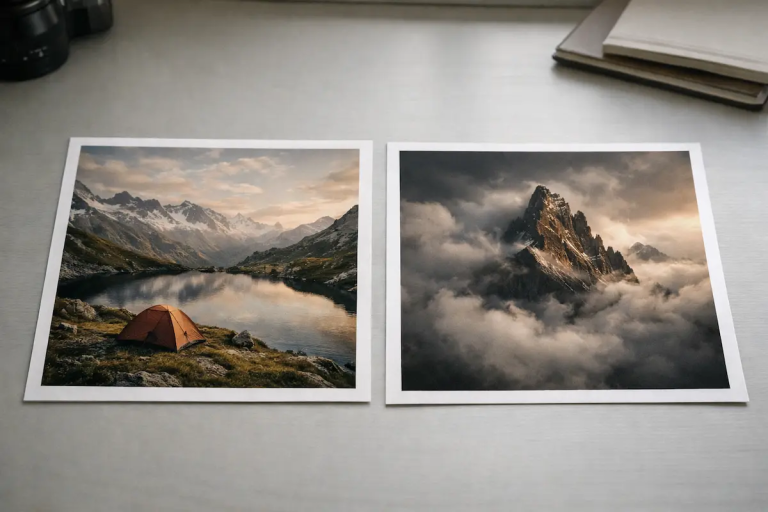
Choosing Between Two Good Photos: What Actually Matters
Choosing between two photos can be surprisingly difficult when both images look strong. This article explains how to evaluate photographs based on the role they play on a page rather than visual preference.
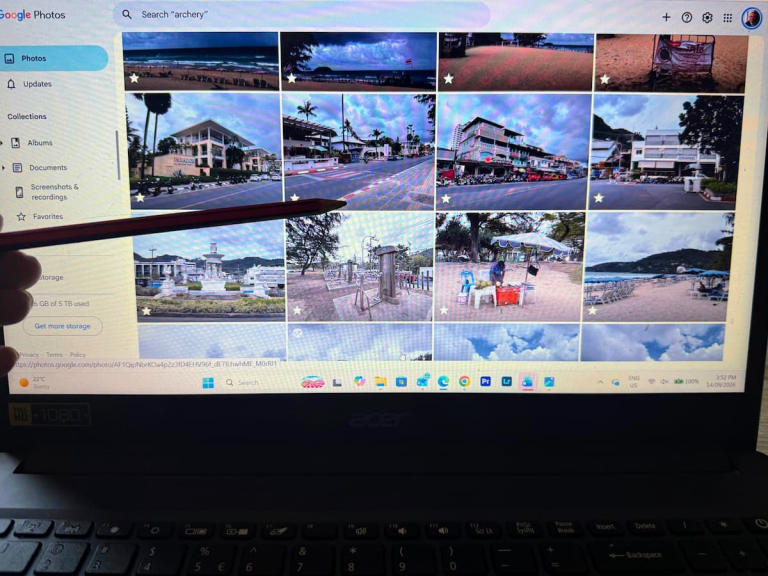


Which Image?
Real photographs. Real decisions about what works, where and why.
We take photographs and put them through a practical review — looking at purpose, composition, storytelling, context and usability to understand where an image works, where it doesn’t, and why.

Tell Better Stories With Your Photos
You’ve taken the photographs. Now turn them into a story.
Choosing good photographs is only part of the job. The real challenge is deciding which images belong, what role each one should play and how they can work together to tell a stronger story.
Tell Better Stories With Your Photos is a practical new guide to choosing, sequencing and using photographs with purpose — whether you’re creating an article, photo essay, website or social media story.
Coming soon. Join the early-access list and be the first to know when it’s released.

Latest from Click Triangle
The newest guides, ideas and practical insights on choosing and using images effectively.
-
The Hidden Cost of Indecision in Image Selection
Indecision in image selection rarely looks like a mistake, but it quietly weakens visual communication. When teams hesitate, they often choose safe, generic images that add little meaning to a page. Understanding why decisions stall helps teams choose photographs more clearly and maintain stronger visual standards.
-
Why “Safe” Images Quietly Weaken Brands
Safe images feel responsible, but they quietly weaken brands. When imagery avoids specificity, it removes the signals that help audiences understand and remember a company. This article explores why teams default to safe visual choices and how clearer, more purposeful images strengthen communication.
-
Choosing Images Under Time Pressure
Most image mistakes don’t happen because teams don’t care. They happen because the decision arrives late. The layout is nearly finished, the deadline is close, and someone needs a photo that “works.” So the safest, nicest-looking option gets approved, not because it’s right, but because it ends the discussion. A week later the page looks…


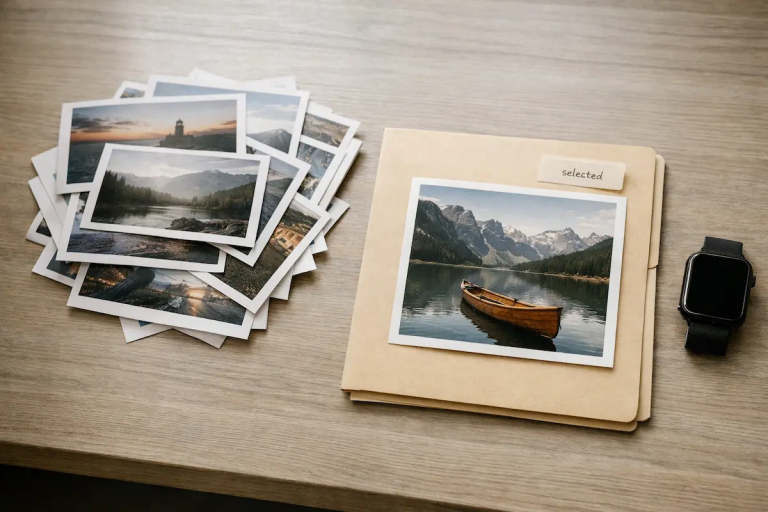
Make Better Image Decisions
Get practical ideas and guidance from Click Triangle on choosing, using and working with images — delivered occasionally, not constantly.